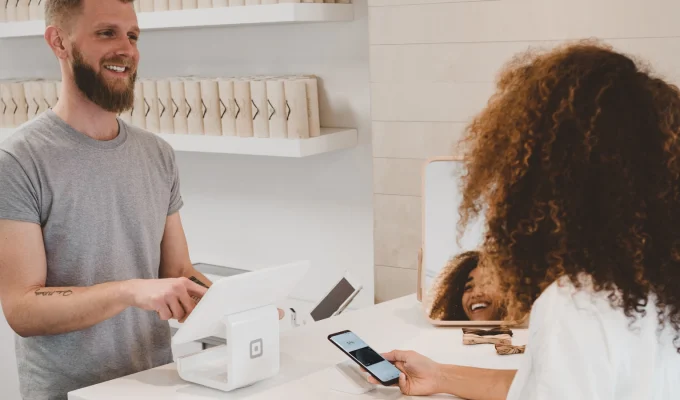
Dominican Republic Currency: Complete Money Guide (2026)
Discover the ins and outs of navigating Miches's currency, the Dominican Peso. Get expert tips and guidance on handling money for your trip.
In this guide
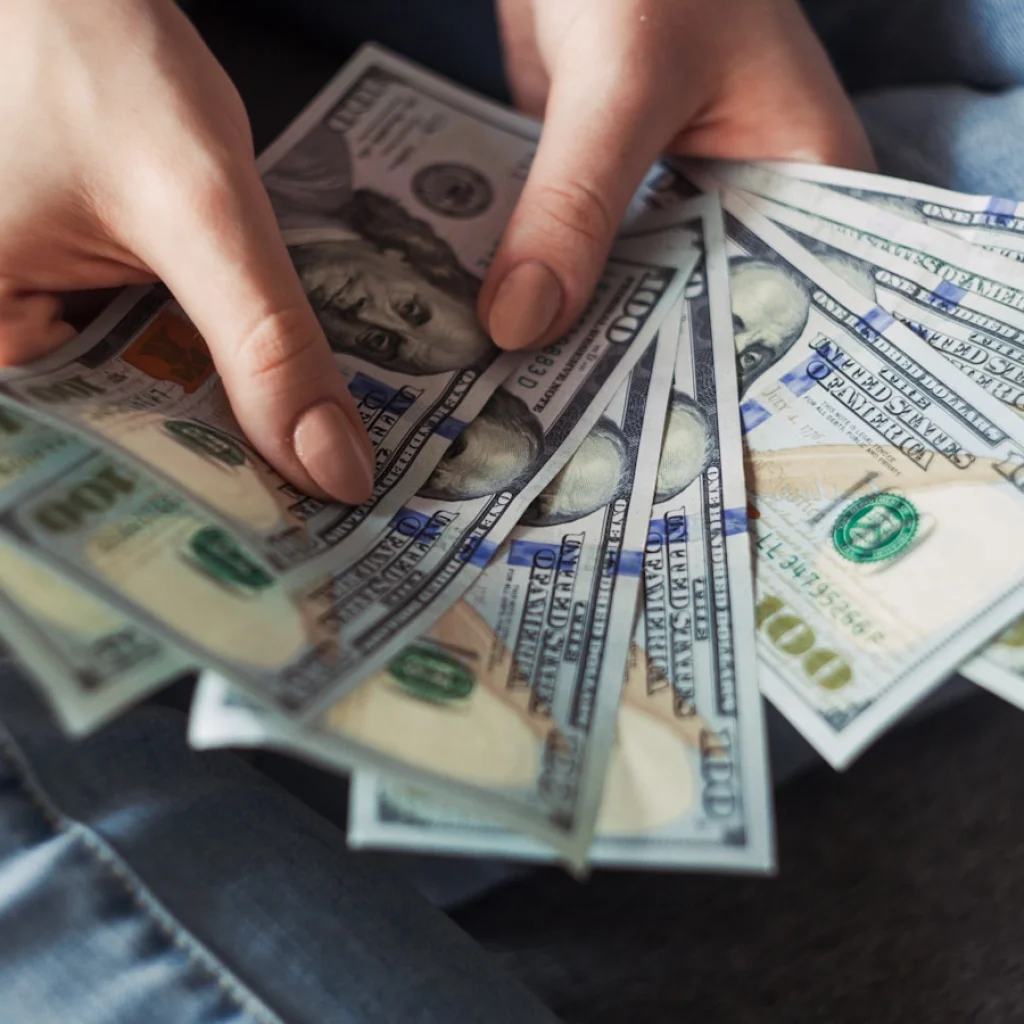
Planning a trip to the Dominican Republic? Understanding the local currency is essential for a smooth, stress-free vacation. The Dominican Peso (DOP) is the official currency of the Dominican Republic, but US dollars are widely accepted throughout tourist areas like Punta Cana, Miches, and Puerto Plata. This comprehensive guide covers everything you need to know about money in the Dominican Republic—from exchange rates and ATM locations to tipping etiquette and how much to budget for your trip.
Dominican Peso Basics
The Dominican Peso (symbol: RD$, code: DOP) is the official currency of the Dominican Republic and has been in circulation since 1844. Here’s what you need to know:
| Official Name | Dominican Peso |
| Currency Code | DOP |
| Symbol | RD$ or $ |
| Subunit | Centavo (100 centavos = 1 peso) |
| Central Bank | Banco Central de la República Dominicana |
| Exchange Rate (2026) | ~60-62 DOP = 1 USD (check current rates) |
Important: Exchange rates fluctuate daily. As of early 2026, the rate hovers around 60-62 pesos per US dollar. Always check current rates before exchanging large amounts. You can find live rates at your bank, xe.com, or Google by searching “USD to DOP.”
Banknotes & Coins
Banknotes
Dominican banknotes come in the following denominations:
- RD$20 – Orange color, features Gregorio Luperón
- RD$50 – Gray/purple color, features the Cathedral of Santa María la Menor
- RD$100 – Red/maroon color, features Francisco del Rosario Sánchez
- RD$200 – Blue color, features the “Hermanas Mirabal” (Mirabal Sisters)
- RD$500 – Purple color, features Salomé Ureña de Henríquez
- RD$1,000 – Green color, features the National Palace
- RD$2,000 – Pink/fuchsia color, features Emilio Prud’Homme and José Reyes (National Anthem creators)
Tip: The RD$1,000 and RD$2,000 notes can be difficult to break at small vendors. Try to keep smaller denominations (RD$100, RD$200, RD$500) for everyday purchases.
Coins
Coins are used less frequently by tourists but include:
- RD$1 peso
- RD$5 pesos
- RD$10 pesos
- RD$25 pesos
Centavo coins (1, 5, 10, 25 centavos) exist but are rarely used due to low value. Most transactions round to the nearest peso.
USD vs Dominican Pesos
One of the most common questions visitors ask is: “Should I use dollars or pesos?” Here’s the truth:
Where US Dollars Are Accepted
- All-inclusive resorts (Punta Cana, Miches, Puerto Plata, Samaná)
- Tourist restaurants and bars
- Gift shops and souvenir stores
- Tour operators and excursion companies
- Taxis serving tourist areas
- Airport shops and services
Where Pesos Get Better Value
- Local restaurants outside resorts
- Street vendors and markets
- Local transportation (guaguas/public buses)
- Small shops in local towns
- Supermarkets (Jumbo, Nacional, Bravo)
- Colmados (corner stores)
The Exchange Rate Problem
When you pay in USD at tourist establishments, vendors typically use a lower exchange rate than the official rate—sometimes significantly lower. For example, if the official rate is 61 pesos per dollar, a vendor might calculate at 50:1. This means you’re effectively paying a 15-20% premium.
Bottom line: For tourist activities, USD is convenient. For local experiences and better value, exchange some money for pesos.
Is $100 a Lot of Money in the Dominican Republic?
Yes, $100 USD goes far in the Dominican Republic. At the current exchange rate, $100 equals approximately RD$6,000-6,200. For context:
- Local meal at a comedor: RD$150-300 ($2.50-5)
- Beer at a colmado: RD$60-100 ($1-1.50)
- Taxi ride (local): RD$200-400 ($3-7)
- Full day tour/excursion: $60-120
While resort prices are comparable to US rates, exploring locally with pesos stretches your budget significantly.
What About Euros?
Euros are accepted at some tourist establishments, but beware: many vendors quote euros at the same rate as dollars (1:1), even though euros are worth more. ATMs in the Dominican Republic do not dispense euros—only pesos and sometimes USD. We recommend European visitors bring USD or exchange to pesos upon arrival.
Where to Exchange Money
Several options exist for exchanging currency in the Dominican Republic, each with pros and cons:
Banks
Best rates, most secure. Major banks in the Dominican Republic include:
- Banco Popular – Most branches nationwide
- BanReservas – Government bank with competitive rates
- BHD León – Modern facilities
- Scotiabank – Canadian bank with English-speaking staff
Hours: Typically 8:30 AM – 4:00 PM weekdays, some open Saturday mornings. Expect to show your passport.
Exchange Bureaus (Casas de Cambio)
Good rates, convenient hours. “Casas de cambio” are dedicated exchange offices found in tourist areas. They typically offer rates close to banks with longer operating hours. Look for licensed establishments displaying their rates clearly.
Hotels
Most convenient, worst rates. Hotel exchange services charge a premium for convenience. Expect rates 5-10% worse than banks. Only use hotel exchange for small amounts when you need pesos urgently.
At the Airport
Convenient for arrival, middling rates. Exchange bureaus operate in arrivals and departures at Punta Cana International Airport (PUJ), Santo Domingo’s Las Américas (SDQ), and other airports. While rates aren’t as good as banks, exchanging a small amount upon arrival gives you cash for tips and taxis.
Note: If you’re visiting Miches, you’ll fly into Punta Cana (PUJ) and drive approximately 1.5-2 hours to the resort area. Exchange money at PUJ before your transfer.
ATM Guide
ATMs (cajeros automáticos) are widely available throughout the Dominican Republic and are often the most practical way to get local currency.
Best ATMs to Use
- Banco Popular – Most reliable network, many locations
- BanReservas – Government bank, widely available
- Scotiabank – Good for international cards
- BHD León – Modern machines, good rates
ATM Fees
Expect two types of fees:
- Local bank fee: RD$200-400 ($3-7) per withdrawal
- Your bank’s foreign transaction fee: Varies by bank (typically 1-3%)
Pro tip: Withdraw larger amounts less frequently to minimize per-transaction fees. Most ATMs allow withdrawals up to RD$10,000-20,000 ($160-330) per transaction.
USD from ATMs
Some ATMs in tourist areas offer USD withdrawals. This can be convenient, but rates may not be favorable. Compare total cost (exchange rate + fees) before choosing USD over pesos.
Credit Cards
Credit and debit cards are widely accepted in tourist areas of the Dominican Republic.
Accepted Cards
- Visa – Most widely accepted
- Mastercard – Widely accepted
- American Express – Accepted at major hotels and some restaurants
- Discover – Limited acceptance
Foreign Transaction Fees
Most credit cards charge a foreign transaction fee of 1-3% on purchases made abroad. Consider getting a no-foreign-transaction-fee card before your trip. Popular options include:
- Capital One Venture/Quicksilver
- Chase Sapphire Preferred/Reserve
- Bank of America Travel Rewards
Currency Conversion Choice
When paying by card, you may be asked: “Pay in dollars or pesos?” Always choose pesos (DOP). This lets your card issuer handle the conversion at their rate, which is typically better than the merchant’s rate (called “dynamic currency conversion”).
Tipping Guide
Tipping is customary and appreciated in the Dominican Republic. Here’s a comprehensive guide:
Standard Tipping Amounts
| Service | Suggested Tip |
| Housekeeping | $1-2 per day |
| Bellhop | $1-2 per bag |
| Restaurant (if propina not included) | 10-15% |
| Bartender | $1 per drink or $5-10 for good service |
| Pool/Beach attendant | $1-2 for chair setup, towels |
| Tour guide | $5-10 per person |
| Tour driver | $3-5 per person |
| Taxi driver | Round up or 10% |
| Spa therapist | 15-20% of service cost |
| Butler (if applicable) | $20-50 total stay |
Tipping at All-Inclusive Resorts
Even though “all-inclusive” suggests everything is covered, tips are not included in your package and make a meaningful difference for staff. Plan to bring $100-200 in small bills ($1s, $5s) for tips throughout your stay.
Dollars or Pesos for Tips?
US dollars are preferred for tips throughout the Dominican Republic. Staff can easily exchange them, and it saves you from calculating conversions. Small bills ($1, $5) are most useful.
What is “Propina”?
“Propina” means tip in Spanish. Some restaurants automatically add 10% propina and 18% ITBIS (tax) to your bill. Check your receipt before adding an additional tip—if propina is included, an extra 5-10% for excellent service is appreciated but not required.
How Much to Budget
Your budget depends heavily on travel style and whether you’re at an all-inclusive resort:
All-Inclusive Resort Visitors
| Expense | Budget (per person) |
| Tips (1-week stay) | $100-200 |
| Excursions (2-3 tours) | $150-400 |
| Souvenirs/shopping | $50-200 |
| Off-resort meals/drinks | $50-100 |
| Spa treatments | $100-300 |
| TOTAL EXTRA | $450-1,200 |
Independent Travelers
| Expense | Budget (per day) |
| Budget accommodation | $30-60 |
| Mid-range hotel | $80-150 |
| Meals (local restaurants) | $20-40 |
| Transportation | $10-30 |
| Activities/tours | $50-100 |
| TOTAL (Budget) | $60-100/day |
| TOTAL (Mid-range) | $150-300/day |
Money Safety Tips
General Tips
- Use your hotel safe for passports, extra cash, and backup cards
- Carry only what you need for the day
- Split your money between multiple locations (wallet, hidden pouch, safe)
- Avoid flashing large amounts of cash in public
- Keep receipts for large purchases and ATM withdrawals
ATM & Card Safety
- Use ATMs inside banks or well-lit areas
- Check for skimmers – wiggle the card slot before inserting
- Cover your PIN when entering
- Keep your bank’s phone number handy for card emergencies
- Set up transaction alerts on your cards
What to Avoid
- Black market exchanges – High risk of counterfeit bills and scams
- Carrying all your cash at once
- Leaving money visible in your vehicle or hotel room
- Using damaged or marked bills – they may not be accepted
Preparing for Your Trip
By understanding the currency situation in the Dominican Republic, you can focus on enjoying your vacation instead of worrying about money. Here’s a quick pre-trip checklist:
- Notify your bank and credit card companies of travel dates
- Get small bills ($1s, $5s, $10s) for tips
- Consider a no-foreign-transaction-fee credit card
- Download a currency converter app
- Research current exchange rates before you go
- Plan your tip budget separately
Whether you stick to dollars at your resort or venture out with pesos to explore local culture, you’ll find managing money in the Dominican Republic straightforward with a little preparation. Enjoy your trip!
Frequently Asked Questions
What currency is used in the Dominican Republic?
The official currency is the Dominican Peso (DOP), symbolized as RD$. However, US dollars are widely accepted throughout tourist areas including Punta Cana, Miches, Puerto Plata, and Samaná.
Should I bring cash or use cards in the Dominican Republic?
Bring a combination of both. Credit cards work well for hotels, restaurants, and shops. Cash is essential for tips, street vendors, local transportation, and small purchases. US dollars in small bills are particularly useful for tipping.
Can I use US dollars everywhere in the Dominican Republic?
US dollars are accepted at most tourist-oriented businesses, but not everywhere. Local restaurants, colmados (corner stores), public buses, and vendors outside tourist zones may only accept pesos. Having some local currency is recommended.
What’s the current exchange rate for Dominican Pesos?
As of 2026, the exchange rate is approximately 60-62 Dominican Pesos per US dollar. Rates fluctuate daily, so check xe.com or Google “USD to DOP” for the current rate before exchanging money.
Is $100 a lot of money in the Dominican Republic?
Yes, $100 USD goes far outside of resorts. It equals approximately RD$6,000+, which can cover multiple local meals, transportation, and activities. Resort prices are comparable to US rates, but local prices are significantly lower.
How much should I tip in the Dominican Republic?
Standard tips: $1-2/day for housekeeping, $1-2 per bag for bellhops, 10-15% at restaurants (check if propina is included), $1 per drink at bars, and $5-10 per person for tour guides. USD is preferred for tips.
Where can I exchange money in the Dominican Republic?
Money can be exchanged at banks (best rates), exchange bureaus (casas de cambio), hotel front desks (worst rates but convenient), and ATMs (competitive rates, minor fees). Avoid black market exchanges on the street.
Do taxis accept credit cards in the Dominican Republic?
Most taxis are cash-only. Some resort taxis and transfer services may accept cards, but always have cash (dollars or pesos) ready for taxi rides. Negotiate the fare before getting in.
Is the Dominican Peso the same as the Mexican Peso?
No, they are completely different currencies. The Dominican Peso (DOP) and Mexican Peso (MXN) have different values and are not interchangeable. Only Dominican Pesos or USD are accepted in the Dominican Republic.
What is the symbol for Dominican Pesos?
The Dominican Peso uses the symbol RD$ or sometimes just $. To avoid confusion with US dollars, look for RD$ or “pesos dominicanos” on price tags. The international currency code is DOP.
Do I need to bring a lot of cash to an all-inclusive resort?
Even at all-inclusive resorts, bring $100-200 in small bills for tips (housekeeping, bartenders, restaurant staff, spa, etc.) plus extra for optional excursions, souvenirs, and off-resort activities. Tips make a real difference for staff.
Plan Your Dominican Republic Excursions
Now that you know how to handle Dominican Republic currency, it’s time to plan your adventures! If you’re visiting the Miches area, our most popular excursions include:
- Saona Island Tour – Full-day paradise escape with natural pools
- Buggy Adventure – Off-road excitement through the countryside
- Whale Watching – See humpback whales (January-March)
- Salto El Limón Waterfall – Stunning waterfall hike
- Santo Domingo City Tour – Historic Colonial Zone exploration
- Monkeyland – Meet squirrel monkeys in their habitat
Tip: Most excursions accept USD or can be paid by credit card online. Bring small bills for guide and driver tips!